
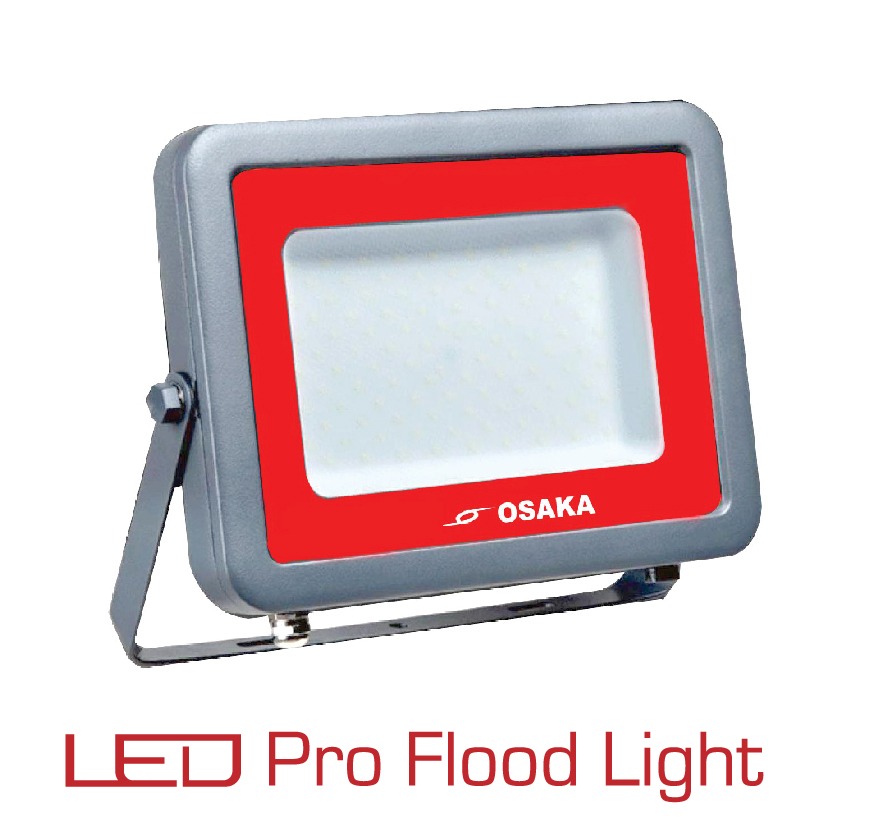
Discover how Osaka Lighting is reshaping commercial architectures through next-generation luminaire matrices, advanced micro-reflector engineering, and sustainable DALI-compliant thermal frameworks optimized for high-efficiency global project deployments.
Osaka Lighting consistently pioneers innovative architectural illumination frameworks. This engineering overview dissects our latest structural luminaire deployments, micro-reflector advancements, and integrated electrical matrix standards designed for heavy commercial architectural applications globally.
Modern volumetric layouts require strict luminous efficacy. By engineering our latest generation matrices with isolated structural thermal channels, the heat footprint drops significantly, extending luminaire lifespans up to 60,000 operational hours.
| Module Reference | Luminous Flux (lm) | Input Voltage | CRI (Ra) |
|---|---|---|---|
| Osaka-X1 Linear Alpha | 4,200 lm | AC 220-240V | ≥ 92 Ra |
| Osaka-X2 Recessed Delta | 3,800 lm | AC 220-240V | ≥ 95 Ra |
To implement standard luminaire arrays within corporate architectures, development teams must strictly comply with the following deployment checklist protocols:
"True architectural lighting design isn't just about illuminating a physical surface; it's about micro-managing contrast, thermal stability, and energy conservation vectors concurrently."
All Osaka commercial architectural assemblies undergo rigorous atmospheric testing protocols. Our internal quality assurance framework mandates full adherence to international energy safety indices before global dispatch pipelines open.
Jun 11, 2026
Emery Brown
This technical article has been curated by the Osaka engineering board for industrial reference and standard lighting specifications.