
Blogs
The Hidden Role of LED Drivers in Long-Term Lighting Performance
The Importance of LED Drivers in Long Term Performance
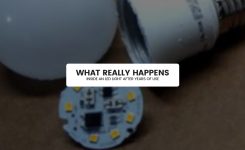
Many people assume that all LEDs of the same wattage and brand will last the same amount of time. However, one of the most critical yet often overlooked components in an LED light is the driver. The LED driver regulates power, converts AC to DC, and ensures consistent output, directly impacting brightness, longevity, and color stability. Without a high-quality driver, even premium LEDs can fail prematurely. Brands like Osaka Lighting emphasize durable drivers to maximize lifespan and performance under real-world conditions.
What an LED Driver Does
The LED driver acts as a regulator, supplying a steady current to the LED chips. It converts incoming alternating current (AC) into the direct current (DC) that LEDs require and adjusts for minor voltage fluctuations.
Key points:
- Controls voltage and current to prevent damage.
- Protects LEDs from flicker due to unstable supply.
- Maintains consistent brightness and color.
- Quality drivers extend overall LED lifespan.
Why Drivers Are Often Overlooked
Most consumers focus on wattage, lumens, or brand name, ignoring the driver inside. However, the driver determines how well an LED handles electrical stress, heat, and long-term usage.
Key points:
- Driver quality is not visible externally.
- Low-cost LEDs may use substandard drivers.
- Premium drivers improve stability under varying conditions.
- Awareness of drivers prevents premature failure.
Voltage Regulation Protects LED Chips
A high-quality driver keeps voltage consistent, preventing flickering, dimming, or sudden burnout. Poor regulation stresses the chips, causing long-term degradation.
Key points:
- Voltage spikes damage internal components.
- Overvoltage shortens LED life.
- Undervoltage leads to inconsistent brightness.
- Reliable drivers maintain safe operating voltage.
Current Control Prevents Heat Stress
LEDs are sensitive to current fluctuations. Excess current generates heat, which accelerates wear. Drivers limit current to safe levels, protecting chips and preventing lumen loss.
Key points:
- Overcurrent causes thermal stress.
- Heat reduces efficiency and lifespan.
- Quality drivers monitor and control current flow.
- Osaka Lighting ensures driver stability for safety.
Dimming Compatibility Depends on Drivers
Not all LEDs are dimmer-compatible. The driver must support variable output for smooth dimming. Without a compatible driver, dimming can cause flicker, hum, or damage.
Key points:
- Dimming drivers maintain stability across all levels.
- Incompatible drivers can fail quickly.
- Smooth dimming prevents flickering.
- Choosing LEDs with proper drivers ensures longevity.
Heat Management Through Driver Design
The driver generates its own heat. High-quality drivers are designed with efficient circuits and cooling to reduce stress on both driver and LED chips.
Key points:
- Efficient heat dissipation prolongs life.
- Poor design accelerates degradation.
- Heat management affects lumen consistency.
- Premium brands like Osaka Lighting optimize driver cooling.
Surge Protection and LED Safety
Drivers often include protective circuits to absorb voltage spikes. Without this, LEDs are vulnerable to surges caused by power cuts or appliance load changes.
Key points:
- Protects chips from high-voltage spikes.
- Reduces flickering after power restoration.
- Ensures reliable operation in unstable grids.
- Surge protection is key for long-term performance.
Longevity and Lumen Maintenance
High-quality drivers prevent rapid lumen depreciation. Cheap drivers allow LEDs to lose brightness over time, even if the initial wattage is high.
Key points:
- Maintains consistent brightness for years.
- Reduces color shift over time.
- Prevents early dimming or flicker.
- Osaka Lighting LEDs retain brightness longer due to quality drivers.
Drivers Prevent Premature Failure
Many LED failures are due to driver burnout rather than the LED chip itself. A well-designed driver ensures continuous operation under varying electrical conditions.
Key points:
- Protects against thermal and electrical stress.
- Reduces early failure rates.
- Improves return on investment for LEDs.
- Reliable drivers are essential for high-quality LEDs.
How Cheap Drivers Reduce Efficiency
Low-cost LEDs often compromise on driver quality. This can lead to heat buildup, flickering, inconsistent color, and shortened lifespan despite bright initial output.
Key points:
- Inefficient drivers waste energy.
- Cause uneven illumination.
- Accelerate aging of LEDs.
- Premium drivers maintain consistent energy use.
Role in Consistent Color Rendering
The driver affects the stability of the LED’s color output. A poor driver may cause slight shifts over time, making walls, furniture, or fixtures appear different.
Key points:
- Stable drivers preserve CRI.
- Prevents color temperature drift.
- Ensures interiors maintain intended aesthetics.
- Osaka Lighting maintains true colors through driver design.
Adapting to Fluctuating Power Supply
Electrical supply is rarely perfect. A good driver adapts to minor voltage fluctuations, protecting LEDs from flicker, dimming, or stress-induced failure.
Key points:
- Compensates for sudden surges or drops.
- Prevents stress on LED chips.
- Improves durability under real-world conditions.
- Essential for areas with unstable power grids.
Driver Quality Determines Warranty and Reliability
Manufacturers offering longer warranties typically use premium drivers. The driver’s quality is often the hidden factor behind extended reliability and consistent performance.
Key points:
- Warranty reflects driver durability.
- High-quality drivers lower failure risk.
- Consumer confidence increases with reliability.
- Osaka Lighting invests in durable drivers for long-term assurance.
Installation and Driver Performance
Even high-quality drivers need proper installation. Loose connections or improper wiring can negate the benefits of a premium driver, causing flicker or heat buildup.
Key points:
- Proper installation maximizes driver efficiency.
- Incorrect wiring stresses drivers.
- Secure mounting reduces thermal buildup.
- Professional installation ensures optimal lifespan.
Future-Proofing Through High-Quality Drivers
Choosing LEDs with robust drivers today prevents issues from voltage fluctuations, dimming demands, or long-term thermal stress. Investing in quality drivers safeguards lighting for years.
Key points:
- Reduces replacement costs over time.
- Maintains consistent brightness and color.
- Adapts to evolving electrical needs.
- Osaka Lighting provides long-term, driver-backed reliability.
Frequently Asked Questions (FAQ)
1. What is an LED driver and why is it important?
It regulates voltage and current to LEDs, ensuring consistent brightness and preventing damage.
2. Can poor drivers cause flickering?
Yes, unstable or low-quality drivers often cause flicker or inconsistent output.
3. Do all LEDs have high-quality drivers?
No, cheap LEDs may compromise on driver quality, reducing lifespan.
4. How does the driver affect color rendering?
Stable drivers maintain CRI and prevent color shifts over time.
5. Can upgrading drivers extend LED lifespan?
Yes, using premium drivers ensures longer-lasting, stable illumination.
Conclusion
The LED driver is the hidden hero of long-term lighting performance. It regulates power, protects against voltage fluctuations, maintains consistent brightness and color, and prevents premature failure. Even the best LED chips fail quickly without a reliable driver. Choosing LEDs with high-quality drivers, like those from Osaka Lighting, ensures that your lighting remains bright, stable, and visually accurate for years, providing real value and durability.